
 0
0
 0
0
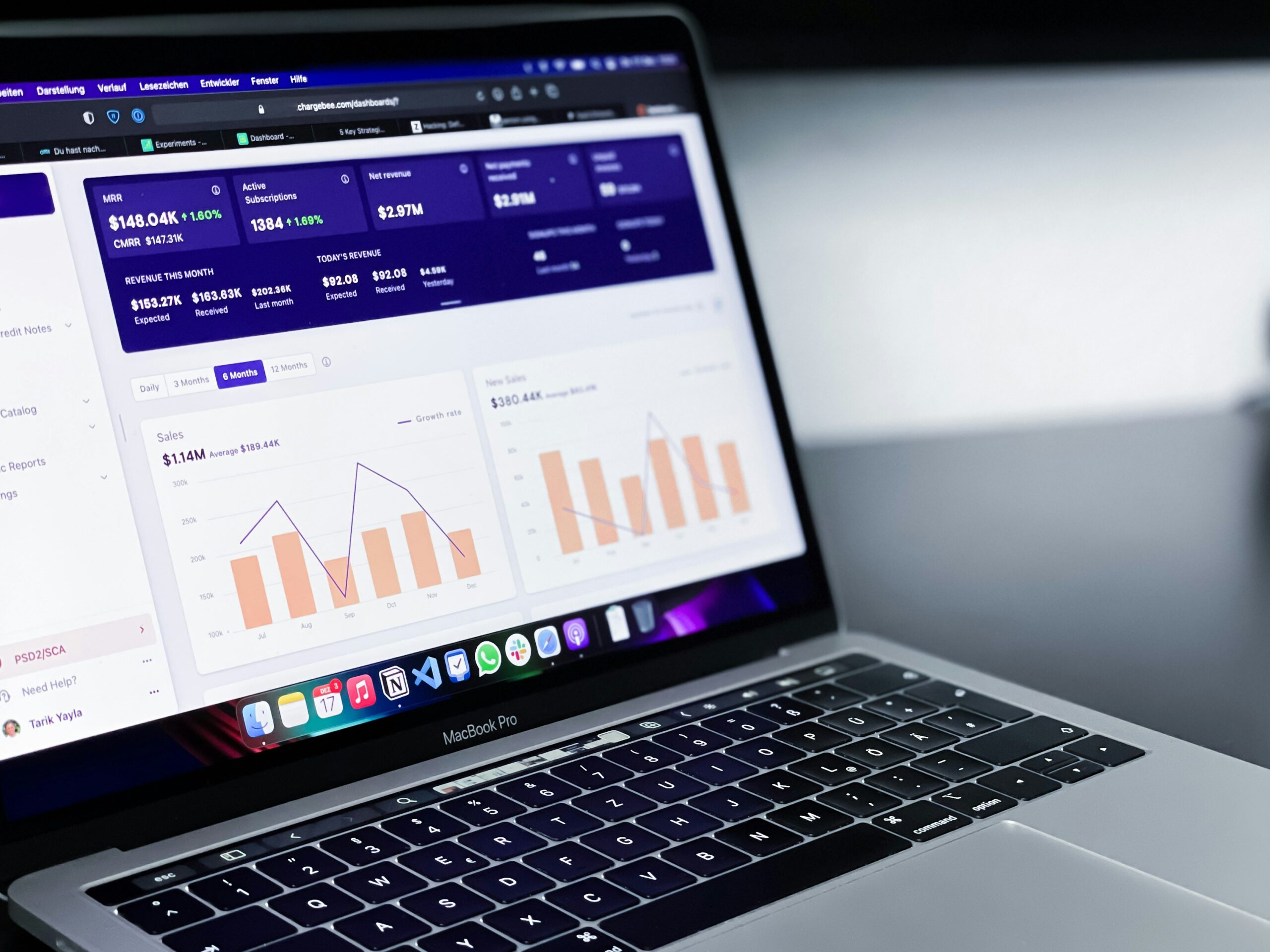
For years, HR has been obsessed with dashboards. Every new platform promised another colourful visualisation. Every board meeting demanded another report. Every quarterly review seemed to generate another metric to monitor. But what if we’ve been optimising the wrong thing?
That was the central message from Ankita Poddar, speaker, blogger, mentor and Senior Human Resources Business Partner at Amazon Web Services (AWS), when she joined me on the HRchat Podcast following her thought-provoking DisruptHR London presentation, Dashboards Are Dead.
It’s a provocative title for sure, but beneath it sits an important truth: AI is fundamentally changing what HR professionals need to be good at. Listen to episode 899 to get Ankita’s take.
AI Doesn’t Need Another Dashboard
Traditional HR analytics has largely focused on collecting data, cleaning it, visualising it and presenting it to decision-makers.
Increasingly, AI agents can perform much of that work automatically.
Rather than spending hours creating reports, HR teams will soon be asking intelligent systems questions like:
- Which teams are most at risk of burnout?
- Where are we likely to lose critical talent?
- Which organisational changes are creating unintended consequences?
- What interventions are most likely to improve retention?
The dashboard becomes less important because AI already understands the data.
The competitive advantage shifts from building reports to framing better business questions.
That’s a profound change for HR.
Does HR Need to Become Better at Problem Framing?
Ankita argues that Dashboards Are Dead is really shorthand for something bigger.
Many organisations still define problems through outdated assumptions.
Instead of asking:
“What metrics should we track?”
We should be asking:
“What outcome are we trying to create?”
It’s a subtle difference—but an enormously important one. AI can retrieve information almost instantly. It cannot always determine whether we’re solving the right problem. That’s where human judgement remains invaluable.
The Global Workforce Playbook Is Being Rewritten
Our conversation also explored how global organisations are adapting to an increasingly unpredictable environment.
Just a few years ago, many businesses assumed international hiring, global mobility and distributed teams would continue expanding with relatively few constraints.
Today, reality looks very different.
Political uncertainty, changing immigration policies, regional conflicts, and economic pressures have made workforce planning considerably more complex.
Leaders can no longer assume talent will move freely across borders or that yesterday’s workforce strategy will still work tomorrow.
Planning has become an exercise in resilience and adaptability.
Hybrid Working Is Still One Giant Experiment
Few workplace topics generate as much debate as return-to-office policies.
Ankita offered a refreshingly balanced perspective.
Rather than treating hybrid work as an ideological battle, she sees organisations as running thousands of simultaneous experiments.
Different companies are testing different approaches.
Some prioritise flexibility.
Others prioritise collaboration.
Many continue adjusting based on what they’re learning.
There is unlikely to be one permanent answer.
Instead, successful organisations will keep measuring outcomes, listening to employees, and evolving as circumstances change.
Leadership Qualities for the AI Era
Every leader doesn’t need to become a data scientist, says Ankita. But they do need enough understanding to work alongside AI confidently, challenge its recommendations, and use it responsibly. The courage to slow down In a world obsessed with speed, slowing down can be a competitive advantage.
Reflection often produces better decisions than constant reaction. Trust Is HR’s Most Valuable Currency Trust remains one of the defining workplace challenges. Employees increasingly question organisational decisions. Leaders often struggle to communicate change clearly enough to reduce anxiety.
Ankita believes much of this tension can be eased through greater transparency, clearer communication, and involving people earlier in the decision-making process.
Technology may continue evolving at remarkable speed. Human trust still develops one conversation at a time.
Looking Beyond HR
One of Ankita’s strongest messages was aimed directly at HR practitioners.
The profession can no longer afford to learn only from HR. Some of the best ideas about leadership, technology, behavioural science, economics, systems thinking, and innovation come from outside our own discipline.
The HR professionals who remain curious—and who continuously borrow ideas from other fields—will be the ones best positioned to thrive alongside AI. Because while dashboards may be fading into the background, thoughtful judgement, critical thinking, and meaningful conversations are becoming more valuable than ever.
The future of HR won’t belong to those with the biggest dashboards. It will belong to those asking the best questions.


