
 0
0
 0
0
AI Can’t Fix Bad HR Data: What HRchat Episode 900 Reveals About the Future of HR
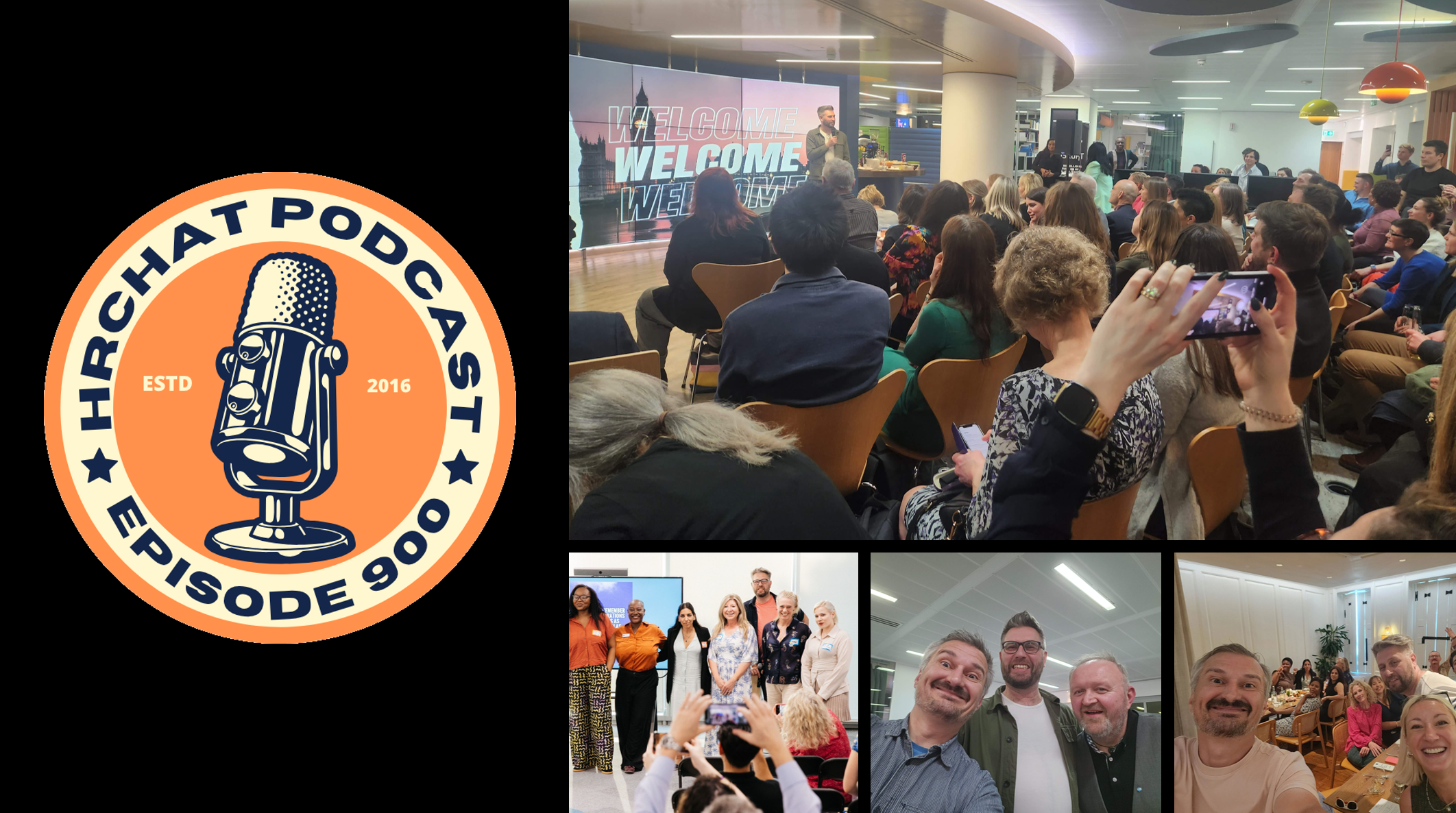
Reaching 900 episodes of the HRchat Podcast gave me an opportunity to reflect on how much the HR profession has changed over the past decade—and, perhaps more importantly, how much hasn’t.
Since launching the show almost ten years ago, I’ve had the privilege of interviewing hundreds of HR leaders, academics, entrepreneurs, authors, and workplace innovators from around the world. Technology has evolved at an extraordinary pace, new workplace trends have emerged almost monthly, and HR has become increasingly strategic. Yet despite all the innovation, many of the profession’s biggest challenges remain surprisingly familiar.
To mark this milestone episode, I wanted to move beyond discussions about the latest technologies or management buzzwords and instead explore a more fundamental question: What has HR genuinely become better at?
There was no better person to tackle that question with than Steve Foulger. As a strategic HR leader and fellow DisruptHR organiser, Steve has built a reputation for cutting through fashionable thinking and focusing on practical solutions that improve organisational performance.
One of the first conclusions we reached was that HR has made meaningful progress, although not always in the headline-grabbing ways that dominate LinkedIn feeds. Employee listening, for example, has become far more responsive. While annual engagement surveys still have their place, pulse surveys now allow organisations to gather feedback more frequently and act on issues before they become entrenched.
Performance management has followed a similar path. Annual appraisals are steadily being replaced by regular one-to-one conversations that encourage continuous coaching, development, and feedback. Likewise, learning and development is increasingly judged by the capabilities it builds rather than the number of courses completed. These may not sound revolutionary, but collectively they represent genuine improvements in how organisations support their people.
Of course, no conversation about the future of HR would be complete without discussing artificial intelligence.
Generative AI has quickly become the most talked-about technology in the profession, promising to transform everything from recruitment and workforce planning to performance management and compensation. Yet Steve offered a timely reminder that AI should still be viewed as a decision-support tool rather than a decision-maker.
Compensation benchmarking illustrates the point perfectly. Unlike a calculator, which produces a consistent answer from a defined formula, generative AI produces responses based on patterns within the data it has access to. If that data is incomplete, biased, or outdated, the results can sound highly convincing while being fundamentally inaccurate. As organisations prepare for greater pay transparency and increased scrutiny of compensation practices, validating benchmark data becomes more important than ever.
Our conversation also explored an area that deserves far more attention in leadership circles: energy management. Many organisations continue to reward constant activity, expecting employees to operate at maximum intensity every day. The reality, however, is that sustainable high performance requires leaders to manage energy just as carefully as they manage time.
Steve shared a practical framework he calls “Five to Twenty-Five,” encouraging leaders and teams to identify small, achievable actions that either generate revenue, reduce costs, or save time. Rather than becoming overwhelmed by endless to-do lists, the approach helps people focus on activities that deliver measurable commercial value while maintaining momentum throughout the week.
High-performance culture was another topic where Steve challenged conventional thinking. Business leaders often borrow ideas from elite sport, but too frequently they imitate the language rather than the underlying disciplines. Successful sporting organisations succeed because of preparation, teamwork, recovery, coaching, and continuous improvement—not because of motivational slogans or performative intensity. Those are lessons every organisation can benefit from.
We also revisited one of HR’s longest-running debates: culture fit versus culture add. The discussion is often framed as an either-or choice, but Steve argued that organisations need both. Diverse perspectives and fresh ideas drive innovation, while shared values and behaviours create the trust and collaboration that allow teams to perform effectively. Building great organisations isn’t about choosing one philosophy over another; it’s about balancing both.
As I look back over 900 episodes, one observation stands out above all others. The language of HR constantly evolves. New technologies emerge, familiar ideas are rebranded, and every year seems to produce another wave of management trends. Yet the organisations that consistently outperform others rarely succeed because they chase every new idea. They succeed because they remain focused on timeless principles: listening well, developing people, making evidence-based decisions, collaborating effectively, and aligning people practices with business outcomes.
Episode 900 wasn’t simply an opportunity to celebrate a podcast milestone. It was a reminder that while the tools available to HR professionals will continue to change, the profession’s purpose remains remarkably consistent. Great HR has always been about helping people and organisations perform at their best.
Technology—including AI—will undoubtedly play an increasingly important role in achieving that goal. But as Steve Foulger reminded me throughout our conversation, no technology can compensate for poor data, weak judgement, or a lack of human understanding. Those fundamentals remain as important today as they were when HRchat first launched nearly a decade ago.


